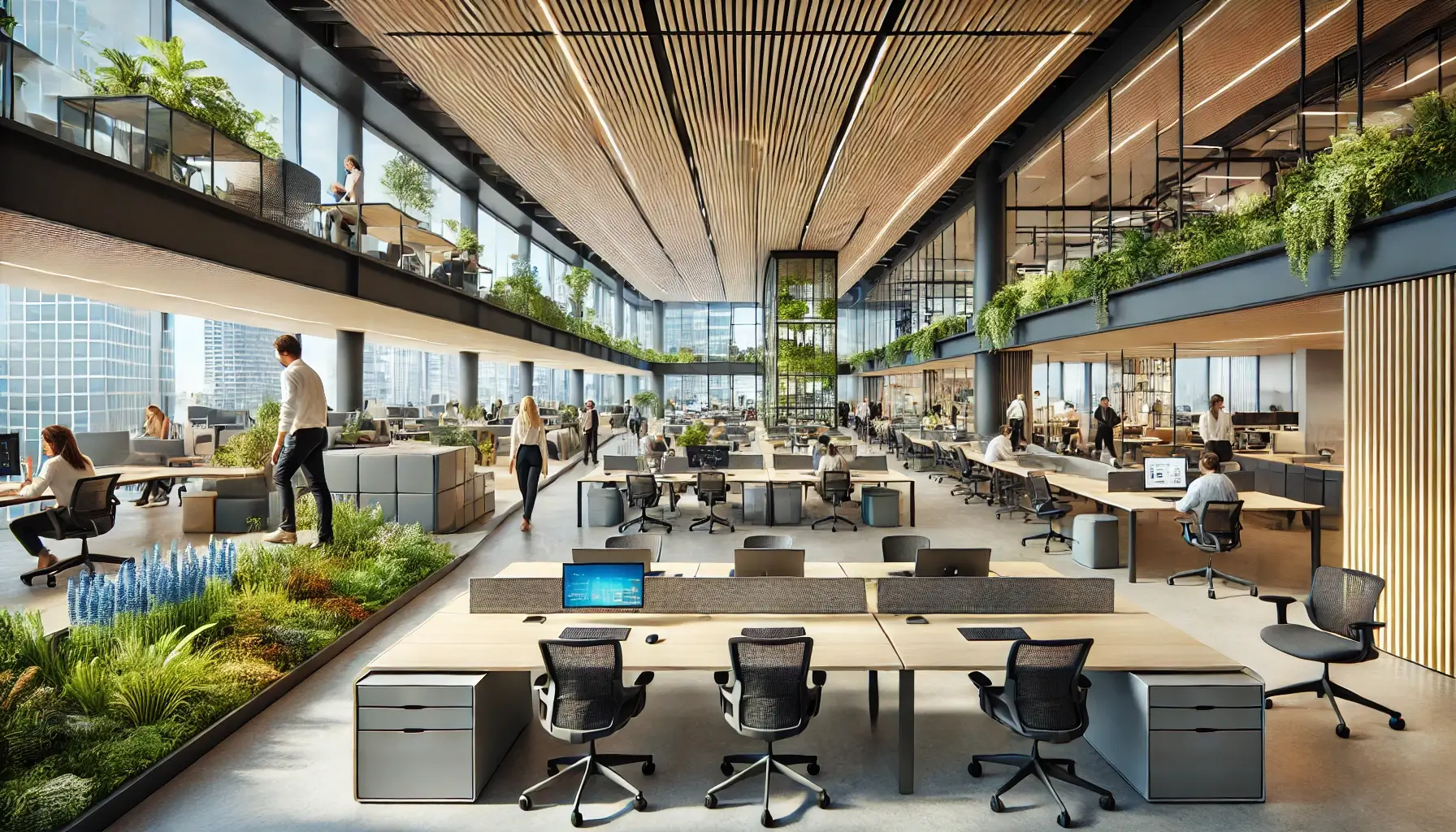
In today’s rapidly evolving business world, the traditional office setup is no longer sufficient to meet the demands of modern companies. The need for flexibility and the ability to adapt to future growth have become critical considerations in office design. Whether you’re a start-up planning for expansion or an established company adapting to new ways of working, a well-designed flexible office can make all the difference.
Here, we explore the key aspects of designing offices that can accommodate change while fostering productivity and collaboration.
1. Flexible Layouts for Dynamic Needs
A flexible office layout prioritizes adaptability. Modular furniture, movable partitions, and multi-purpose spaces can transform the office quickly based on immediate needs. For instance:
- Modular desks and chairs can be rearranged to support team collaboration or individual focus.
- Foldable partitions allow for the creation of temporary meeting spaces or quiet zones.
- Shared spaces like lounges can double as event areas, ensuring the office remains versatile without compromising functionality.
This adaptability ensures your office evolves alongside your business.
2. Embracing a Hybrid Work Model
With hybrid work models becoming the norm, offices must balance in-person and remote work needs. Key considerations include:
- Hot-desking systems: Allow employees to use desks on a need basis, reducing unused space.
- Video conferencing zones: Equipped with technology for seamless communication between remote and in-office staff.
- Quiet pods: Provide spaces for focused work or private calls.
This flexibility ensures the office remains a hub for productivity and collaboration, even as work models shift.
3. Planning for Growth with Scalable Spaces
Businesses often underestimate the importance of scalability in office design. Key strategies include:
- Leave room for expansion: Design layouts that can easily accommodate additional desks or workstations.
- Infrastructure planning: Ensure wiring, networking, and utilities can support future tech upgrades or more staff.
- Flexible leases: If renting, consider office spaces that allow for future expansion within the same building or complex.
These measures reduce disruptions as your company grows.
4. Investing in Smart Technology
Technology plays a vital role in creating future-ready offices. Smart integrations can enhance flexibility and scalability:
- IoT-enabled devices: Adjust lighting, temperature, and meeting room bookings with ease.
- Cloud-based tools: Foster collaboration and ensure seamless remote access.
- Occupancy sensors: Monitor space usage to optimize layouts and reduce waste.
Technology ensures the office can adapt quickly to evolving business needs.
5. Fostering a Collaborative Environment
Collaboration drives innovation, making it crucial to include spaces that encourage teamwork. Examples include:
- Brainstorming zones: Equipped with whiteboards, pinboards, or digital tools.
- Informal breakout areas: Comfortable lounges or coffee zones where spontaneous ideas can flourish.
- Open-plan seating: While maintaining acoustic controls to avoid noise disruptions.
Balancing collaboration with focus areas ensures everyone has the space they need to thrive.
6. Prioritizing Employee Well-being
A flexible office should also promote wellness. Key elements include:
- Ergonomic furniture: Supports long hours of work without compromising health.
- Biophilic design: Incorporating plants, natural light, and outdoor views to reduce stress and improve focus.
- Wellness zones: Provide areas for relaxation, yoga, or even a quick nap.
Happy and healthy employees are essential for future growth.
7. Designing for Sustainability
Flexibility should not come at the cost of the environment. Sustainable practices include:
- Recyclable materials: Use modular furniture made from eco-friendly materials.
- Energy-efficient systems: Install LED lighting and smart HVAC systems.
- Upcycling old furniture: Incorporate existing pieces in new layouts to reduce waste.
Sustainability ensures your office supports both your business and the planet.
Future-Proofing Your Office Design
The ultimate goal of a flexible office is to future-proof your workspace. By integrating adaptability, smart technology, scalability, and employee well-being, businesses can create offices that not only meet current needs but also anticipate future demands.
Whether you’re expanding your team, adopting new technologies, or embracing a hybrid work model, designing with flexibility in mind will ensure your office remains a productive, innovative, and inspiring space for years to come.
Ready to design an office that grows with you? Let us help bring your vision to life! Contact us today for tailored solutions that blend flexibility, functionality, and style.