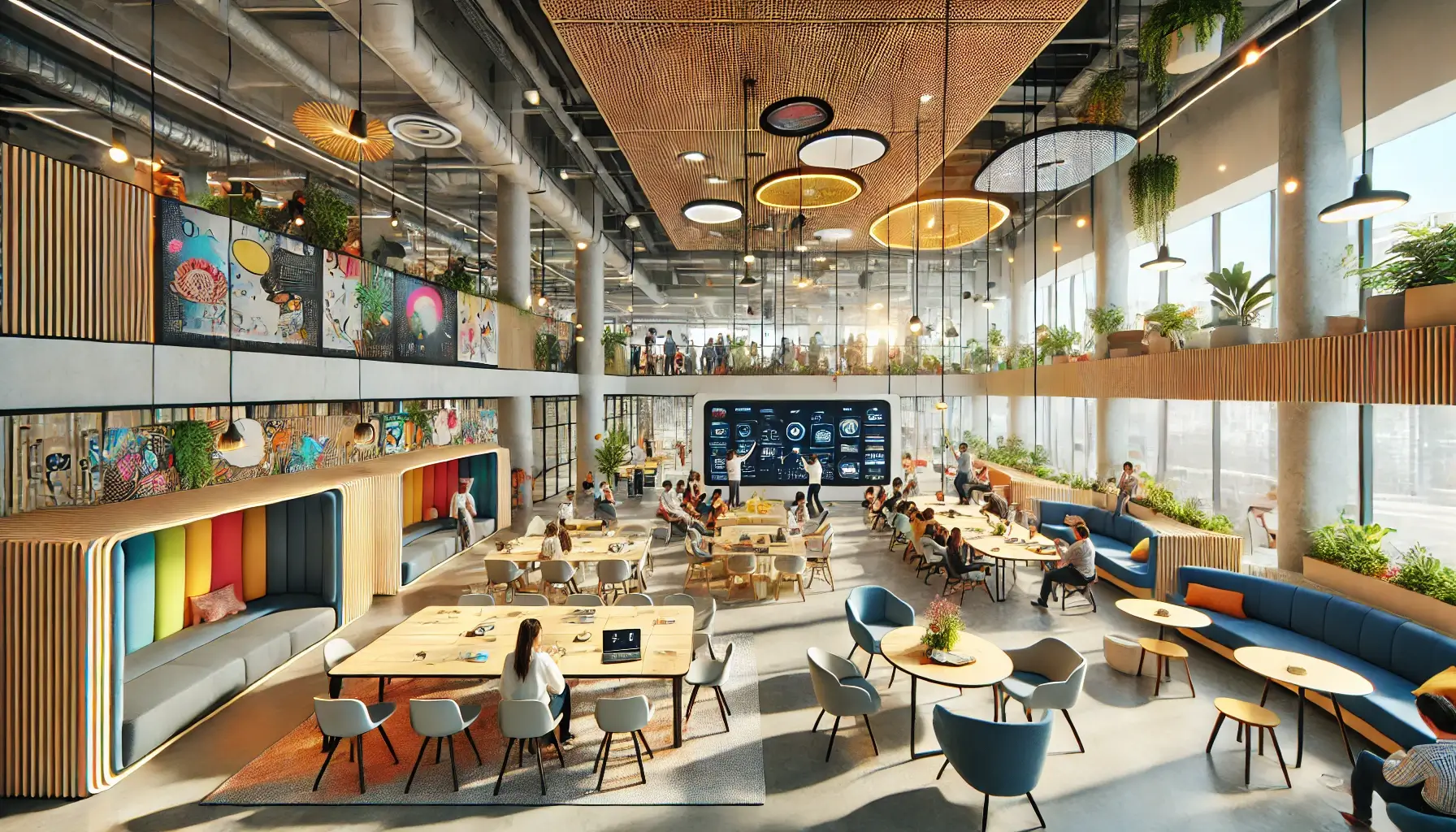
In today’s fast-paced business world, the key to success often lies in the ability to collaborate effectively. A well-designed collaborative workspace fosters creativity and innovation, becoming a hub for fresh ideas, teamwork, and growth. But how do you design such a space? Let’s explore some essential elements that can transform your commercial setting into an inspiring, collaborative environment.
1. Flexibility in Design
Innovation thrives in spaces that can adapt to changing needs. Flexible design means creating areas that are multifunctional—able to accommodate meetings, brainstorming sessions, and individual work all in one place. Use modular furniture like movable desks, foldable chairs, and even whiteboard partitions that can be reconfigured to suit the task at hand. This allows teams to switch between focused work and group collaboration effortlessly.
Tip: Opt for open, spacious layouts that encourage movement and dynamic interactions, while still offering areas for privacy when needed.
2. Incorporating Technology
Technology plays a crucial role in modern collaboration. From video conferencing tools to digital whiteboards and shared cloud platforms, ensuring your workspace is equipped with the latest technology will help streamline communication and make collaboration seamless, even with remote team members.
Tip: Integrate smart technology to create an interconnected office environment where teams can collaborate both physically and digitally. Interactive screens and projectors can foster idea-sharing in real-time, making meetings more productive.
3. Comfort and Functionality
A workspace should be comfortable enough to encourage creativity but functional enough to maintain productivity. Providing ergonomic furniture, good ventilation, and proper lighting is essential. Ensure the space is equipped with comfortable seating and tables that are conducive to long working sessions, without causing fatigue.
Tip: Use a variety of seating options—from standing desks to couches—to accommodate different working styles, making the space more inviting and inspiring.
4. Creative Zones for Brainstorming
Set aside areas dedicated specifically to creative thinking. These “idea zones” could include writable walls for brainstorming, pinboards for visualizing ideas, and comfortable seating arrangements that foster informal discussions. Sometimes, the best ideas are sparked in the most relaxed environments, so consider adding lounge-like settings where team members can unwind and let their creativity flow.
Tip: Include natural elements like plants, or artwork to stimulate creativity. Colorful, visually engaging spaces can inspire new ways of thinking.
5. Encourage Team Dynamics with Layout
When designing a collaborative workspace, keep in mind how the layout can influence team dynamics. While open-plan layouts encourage interaction, creating smaller, semi-private pods or break-out rooms can give teams space for more focused discussions. This balance is essential to fostering both teamwork and individual thought.
Tip: Consider the types of teams and tasks your business handles. A balance of open spaces and quiet rooms will allow teams to move between different working environments based on their current needs.
6. Lighting and Ambience
Lighting significantly affects mood and productivity. Natural light is always the best option as it energizes people and boosts creativity. However, for spaces where natural light is limited, use adjustable lighting systems that allow individuals to control brightness according to the task. Warm lighting in relaxation zones and brighter lights in focus areas can help set the right tone for different tasks.
Tip: Incorporate layered lighting solutions—task lighting for desks, ambient lighting for the overall space, and accent lighting to create a unique and inspiring atmosphere.
7. Foster a Culture of Collaboration
Designing a collaborative workspace is only part of the equation. The culture within the workspace is equally important. Encourage open communication, idea sharing, and teamwork by designing spaces that break down hierarchical barriers and promote inclusivity.
Tip: Add communal areas, such as kitchenettes or informal meeting zones, where employees can gather for casual conversations, often sparking innovation.
Conclusion
A collaborative workspace is more than just a place where people gather—it’s an environment that nurtures creativity, facilitates communication, and drives innovation. By integrating flexibility, technology, comfort, and thoughtful design, you can create a space where ideas flourish, and your team can excel. In the end, an inspiring workspace not only enhances innovation but also strengthens team morale and boosts overall productivity.
With these design tips, you can transform your commercial office into a collaborative powerhouse, ready to face the challenges of tomorrow.