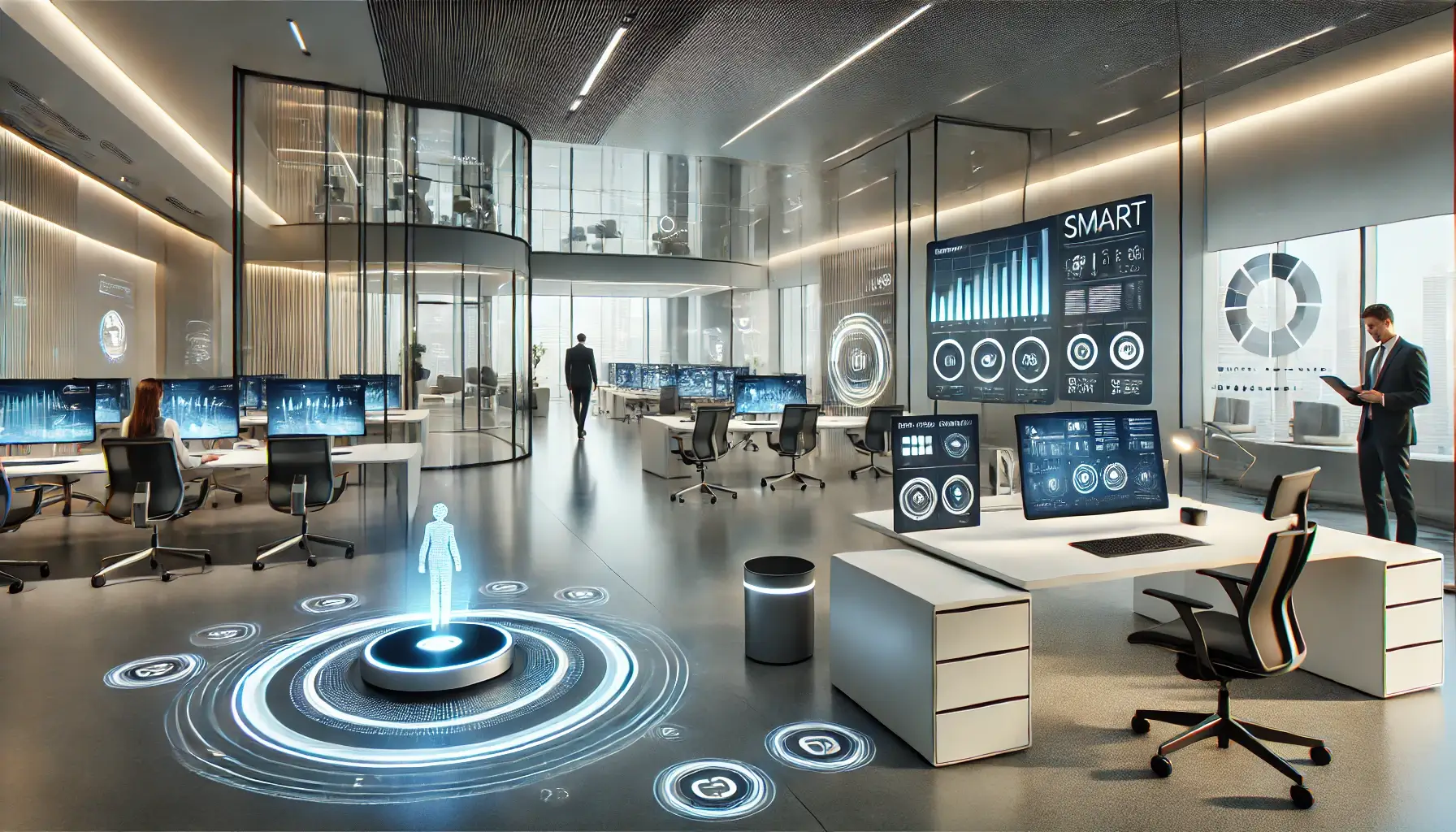
In today’s fast-paced, tech-driven world, office design has evolved beyond aesthetics. Smart technology, encompassing automation, artificial intelligence (AI), and the Internet of Things (IoT), is transforming the workplace by creating more efficient, productive, and adaptable environments. As businesses look to future-proof their operations, integrating smart technology into office designs is becoming a necessity rather than a luxury.
The Role of Smart Technologies in Office Design
Smart technologies are changing how we work and interact with our office spaces. From automated lighting systems to AI-driven meeting assistants, these innovations are streamlining workflows, enhancing collaboration, and optimizing energy use. Here’s how different technologies are reshaping modern office design:
1. Automated Systems for Enhanced Efficiency
Automation is perhaps the most visible aspect of smart office design. Automated lighting, temperature control, and security systems are not only convenient but also energy-efficient. For example:
- Smart Lighting: Automated lighting systems adjust based on occupancy or natural light, reducing energy consumption and enhancing employee well-being. Daylight sensors ensure optimal light levels, improving concentration and reducing eye strain.
- Climate Control: Automated thermostats can maintain ideal temperatures, adjusting settings based on the number of people in the room or time of day. This creates a comfortable environment while minimizing energy waste.
- Security: Smart locks and surveillance systems can be managed remotely, providing flexibility and enhancing office security.
2. AI-Driven Workspaces
Artificial intelligence is playing a crucial role in office design, helping businesses improve productivity and decision-making. AI tools are integrated into the workspace to provide real-time insights and automate repetitive tasks.
- Virtual Assistants: AI-powered assistants can help schedule meetings, manage to-do lists, and answer common employee queries, freeing up time for more complex tasks.
- Smart Meeting Rooms: AI can facilitate meetings by offering automated transcription, language translation, and even suggestions for follow-up actions. This ensures that meetings are more productive and well-documented.
- Predictive Maintenance: AI-driven systems monitor equipment and office infrastructure, predicting when maintenance is needed to prevent costly downtime.
3. IoT: The Connected Office
The Internet of Things (IoT) connects devices across the office, allowing them to communicate and work together seamlessly. This integration offers unprecedented control over the workspace, enhancing both efficiency and employee experience.
- Smart Desks: IoT-enabled desks can track usage and suggest optimal layouts based on employee habits. Some even come with sensors that remind workers to take breaks or adjust posture for ergonomic comfort.
- Asset Tracking: IoT solutions can track office assets like laptops, projectors, and printers, ensuring that equipment is always available when needed and preventing loss or theft.
- Energy Management: IoT devices monitor energy use across the office, helping businesses identify inefficiencies and reduce waste.
Benefits of Smart Technology in Office Design
Integrating smart technology into office design offers several key benefits:
1. Increased Productivity
Automation and AI streamline tasks and reduce distractions, allowing employees to focus on more strategic activities. Additionally, smart meeting rooms and digital collaboration tools enable more efficient communication, minimizing time spent on administrative work.
2. Improved Employee Well-being
Smart technologies can create more comfortable and healthier working environments. For example, smart lighting and climate control improve physical comfort, while AI tools can reduce workload stress by automating routine tasks.
3. Sustainability and Cost Savings
Automated systems reduce energy consumption by optimizing lighting, heating, and cooling based on real-time data. Over time, this can lead to significant cost savings and a reduced environmental footprint.
4. Enhanced Flexibility
With the rise of hybrid work models, smart technology allows offices to be more adaptable. Hot-desking systems, automated access control, and IoT-connected devices make it easier to manage varying office occupancy levels, ensuring the workspace is always optimized.
Designing the Future Office: Key Considerations
When integrating smart technology into office design, there are a few important factors to consider:
- Scalability: Choose systems that can grow with your business. As your company expands, so should your smart office infrastructure.
- User-Friendly Interfaces: Technology should enhance the user experience, not complicate it. Ensure that the systems you choose are easy for employees to navigate and use.
- Security: With interconnected devices, data security is critical. Make sure that all smart systems have robust security measures in place to protect sensitive information.
Conclusion: The Future of Work is Smart
Smart technology is no longer an optional addition to office design; it’s becoming a standard. As businesses seek ways to boost productivity, enhance employee satisfaction, and reduce operational costs, integrating automation, AI, and IoT into office spaces is essential. By embracing these innovations, companies can create modern, adaptable, and future-ready workspaces that meet the needs of today’s dynamic workforce.
Smart technology is here to stay, and the office of the future is already taking shape. Are you ready to make your workplace smarter?
By integrating cutting-edge technology into your office design, you’ll not only keep pace with the times but also set the stage for growth and success in the years to come.