Introduction
Space planning is the foundation of any successful interior design project. Whether you’re designing a cozy home or a bustling commercial space, the way you arrange the elements within a room can dramatically impact both its functionality and aesthetics. This blog explores the significance of space planning, offering insights into how it can enhance the efficiency, comfort, and beauty of any interior.
What is Space Planning?
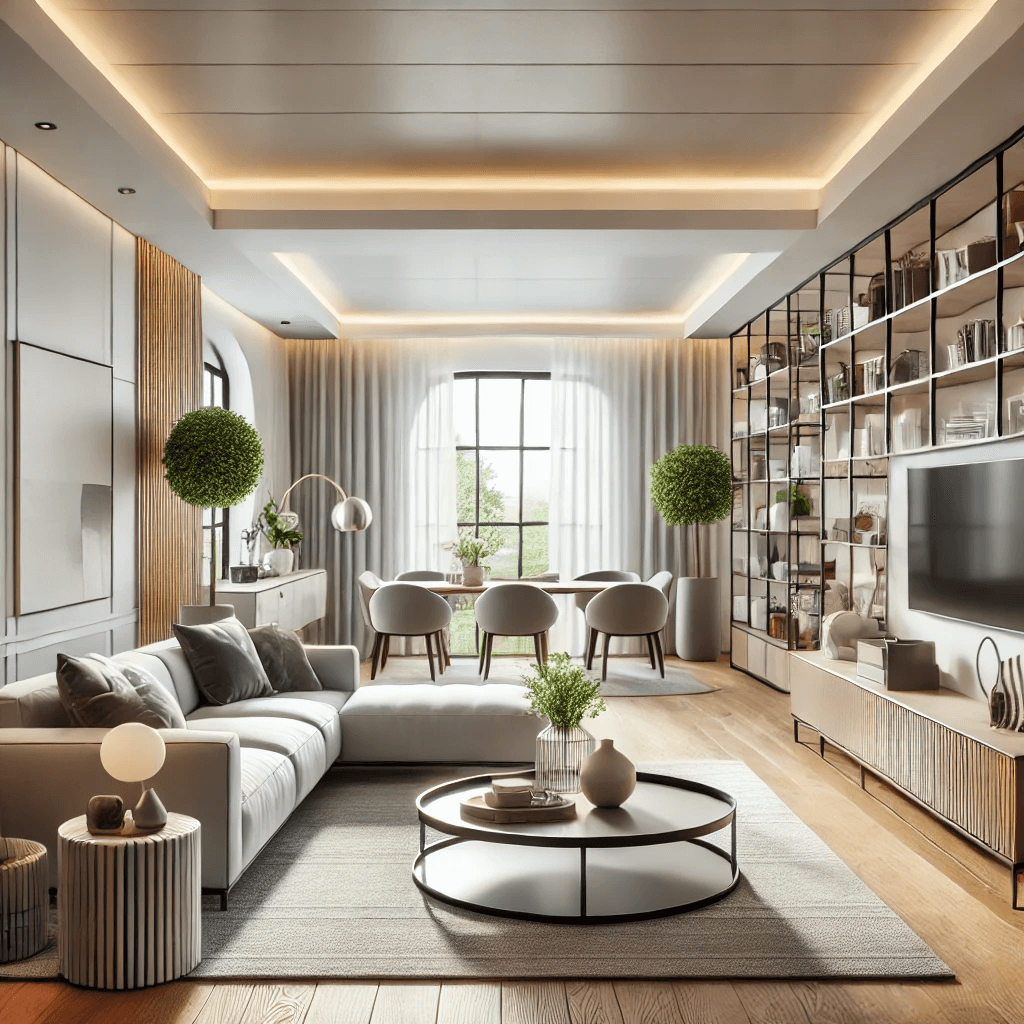
Space planning involves the careful arrangement of furniture, fixtures, and other elements within a space to create a harmonious and functional layout. It’s more than just placing furniture where it fits; it’s about understanding the flow of movement, the purpose of each area, and how different elements interact with each other.
The Key Benefits of Space Planning
- Maximizing Space Efficiency
Space is a valuable asset in any interior project. Effective space planning ensures that every square foot is utilized efficiently. Whether dealing with a small apartment or a large office, thoughtful planning can make the space feel larger and more open, eliminating any wasted or underutilized areas.
- Enhancing Functionality
Every room has a purpose, and space planning helps to fulfill that purpose by arranging elements in a way that supports the room’s function. For example, in a kitchen, the placement of the stove, refrigerator, and sink in a triangle layout enhances workflow and usability. In an office, the arrangement of desks, meeting areas, and storage affects productivity and communication.
- Improving Traffic Flow
One of the critical aspects of space planning is ensuring smooth traffic flow. This means creating clear pathways that allow people to move through the space without obstruction. Proper traffic flow is essential not only for convenience but also for safety, especially in high-traffic areas like offices, retail stores, or restaurants.
- Creating Balance and Harmony
A well-planned space feels balanced and harmonious. This balance is achieved by considering the scale, proportion, and placement of furniture and decor. A well-balanced space is pleasing to the eye and creates a sense of calm and order, which is particularly important in residential interiors where comfort and relaxation are key.
- Accommodating Future Changes
Good space planning also takes into account the potential for future changes. Whether it’s anticipating the need for more storage, additional seating, or the integration of new technology, a flexible layout can adapt to evolving needs without requiring a complete redesign.
Lighting in Space Planning
Lighting is an essential component of space planning, affecting both the mood and functionality of a space. Proper lighting enhances the room’s usability by ensuring that different tasks are well-lit, from reading in a home office to preparing food in the kitchen. There are three main types of lighting to consider:
- Ambient Lighting: Provides overall illumination for the space, setting the tone and mood.
- Task Lighting: Direct lighting for specific activities, such as desk lamps or kitchen under-cabinet lights.
- Accent Lighting: Used to highlight specific features or create visual interest, like spotlights on artwork.
The positioning of lighting fixtures and the selection of the right light sources can transform a room, making it feel larger, cozier, or more vibrant, depending on the desired effect.
Acoustics in Space Planning
Acoustics play an important role in creating comfortable, functional spaces, especially in commercial interiors like offices, restaurants, and conference rooms. Poor acoustics can result in excessive noise, making the space uncomfortable for its occupants. Good space planning includes:
- Soundproofing: Using materials that absorb or block sound, such as acoustic panels, thick carpets, or drapes.
- Sound Distribution: Ensuring sound travels appropriately, especially in open spaces or areas where communication is key.
- Material Selection: Certain materials, such as wood or stone, can either enhance or dampen sound, so their use should align with the space’s purpose.
Good acoustics ensure that the space is pleasant and functional, reducing unwanted noise and enhancing the overall experience.
Conclusion
Space planning is a vital aspect of interior design that goes beyond aesthetics. It’s about creating environments that are functional, comfortable, and adaptable to the needs of the people who use them. By focusing on efficiency, traffic flow, balance, lighting, acoustics, and future flexibility, space planning ensures that every interior design project is a success.
Investing time and effort into proper space planning at the outset can save time, money, and frustration in the long run, resulting in a space that not only looks great but also works perfectly for its intended purpose.